Become a Donor
Help us raise funds to finance scientific studies about how diet affects health and the possible side effects caused by a change of diet.


Unique study: LCHF has a surprisingly good effect on the gastrointestinal disorder IBS
19/04/2024
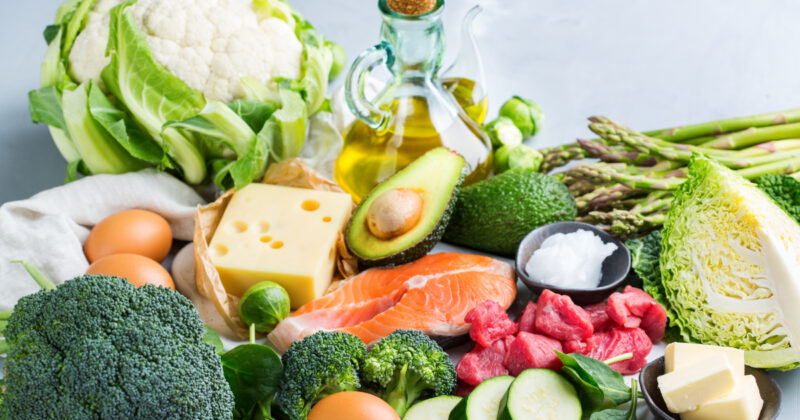
A low-carbohydrate diet is as effective for treating the gastrointestinal issues that accompany IBS as the already established low-FODMAP diet. Both dietary approaches are also more effective than an optimized drug treatment. These are the findings from the first study funded by the Dietary Science Foundation, which has been published in the prestigious journal The Lancet Gastroenterology & Hepatology.
The Dietary Science Foundation is delighted to announce the publication of the results from the first study we ever funded. It is one of the most well-executed studies conducted in the field of IBS and today the New York Times writes about it.
“It’s been a tremendous effort, so it’s very gratifying now that it’s completed.” says Stine Størsrud, chief dietitian at Sahlgrenska University Hospital and one of the project leaders.

The study included over 300 individuals diagnosed with IBS who experienced significant symptoms such as abdominal pain, bloating, constipation, and diarrhea. Participants were randomized into three different treatment groups: a low-FODMAP diet, a low-carbohydrate diet, and an optimized drug treatment.
Two different dietary treatments tested against medication
Previous studies have shown the low-FODMAP diet to be effective in treating IBS. This dietary approach involves eliminating fermentable carbohydrates from the diet, such as fructose, lactose, and certain fibers. These carbohydrates reach the colon intact, where they can cause issues in IBS. Additionally, participants in this group received general IBS dietary advice, such as chewing food thoroughly, avoiding excessive fat, and eating regularly.
The group following a low-carbohydrate diet aimed to minimize carbohydrate intake and consume more fat and protein. They did not receive general IBS dietary advice.
The medication group received assistance in trying various drugs to alleviate symptoms like diarrhea, constipation, pain, and bloating.
A strength of the study is that participants in the dietary groups had food delivered to their homes for a month, making it easier for them to adhere to the dietary regimen.
Dietary treatments were more effective than medication
Dietary changes led to approximately 75 percent of participants experiencing improvement in their stomachs, and for many, the improvement was considerable. In the medication group, the same figure was approximately 60 percent.
“We were surprised that the low-carbohydrate diet had such a good effect. We thought the low-FODMAP diet would be outstanding, but it wasn’t. We also didn’t expect the diet to be so much better than drug treatment,” says Stine Størsrud.
The differences between the two dietary approaches were small, but the study indicates that the low-FODMAP diet seems to alleviate diarrhea more, while the low-carbohydrate diet better counteracts constipation.
“There could be several explanations for this, but fat stimulates the bowel, and one can experience looser stools when food moves faster through the system. When consuming fewer FODMAPs, one also consumes less fiber and other carbohydrates that can bind water in the intestinal system. This can make loose stools less loose.”
The study raises new questions
The similar effects of the two dietary treatments raise new research questions. In recent years, many researchers have believed that fermentable carbohydrates, FODMAPs, are one of the main causes of IBS. Individuals with IBS have also been advised to avoid fat because it stimulates the bowel. However, in the current study, the group following a low-carbohydrate diet experienced significant improvement despite continuing to consume FODMAPs and increasing fat intake.
“One explanation for why the low-carbohydrate diet may work well is that it involves consuming a smaller volume of food, which may reduce the burden on the intestines. So one could ask if an energy-dense diet can help?”
A common denominator between the two dietary approaches is that participants consumed homemade meals rich in vegetables. The amount of junk food they consumed was minimal. Additionally, both groups excluded wheat flour and sugary foods like candy and soda.
“In studies examining the characteristics of the diets of individuals with IBS, it’s been observed that they consume more sugar, fat, and fast food.”
Researchers at Lund University have also conducted a study where individuals with IBS reduced the amount of starch and sugar in their diets, leading to a significant improvement in IBS symptoms.
Hope to identify problematic foods
In the study now published, participants had food delivered to their homes for a month. After that, the low-FODMAP group tested reintroducing various forms of fermentable carbohydrates to see if they reacted more to certain foods than others. If participants in the low-carbohydrate group experienced an effect from the diet, they were advised to continue following the dietary regimen. If they found the diet too strict, they were encouraged to modify it to make it sustainable in the long run. At the same time, they were encouraged to explore how their stomachs reacted when reintroducing different foods. At the end of the study—after six months—participants had begun consuming almost as much FODMAPs and carbohydrates as at the start of the study, but still, over 40 percent reported feeling much better in their stomachs.
“What we’re going to look at now is what kinds of food they started eating and what foods they didn’t eat,” says Stine Størsrud.
If many participants have excluded certain foods, there is reason to believe that these foods may be particularly problematic in IBS.
A tool for managing IBS
The researchers are also analyzing in-depth interviews with participants to understand how they experienced the dietary change.
“Even though these two diets alleviate stomach issues for many, they are challenging to follow. It takes time to cook meals; other family members may not like the food, and it’s burdensome to always have to bring a packed lunch to work.”
However, many participants testify that they have acquired a new tool to manage their problems.
“They’ve learned how to take control of their illness when they really need to. In between, they may ‘cheat’,” says Stine Størsrud.
She says the study has meant a lot to the participants. It has also received significant attention in the research community as it breaks new ground in the field of IBS:
“We’ve presented the results at several major conferences in the USA and Europe.”
Our Foundation supported the study with one million SEK
We at the Dietary Science Foundation want to extend our warmest thanks to all of you who have supported us, enabling us to contribute to this study. In total, the study received one million SEK from the Dietary Science Foundation.
“The study shows that the Dietary Science Foundation can fulfill the role we hoped for at its founding. Our goal was to help finance groundbreaking studies that can evolve our understanding of how diet affects us. This study has truly achieved that,” says Ann Fernholm, who co-founded the Dietary Science Foundation in 2014.
(If you want to support our work, please use this link. Thank you!)
Working to disseminate the study in healthcare
The next step forward is finding the tools necessary to disseminate these dietary treatments in healthcare. In November last year, the Dietary Science Foundation hade the good fortune to receive funding from the Swedish authority Vinnova to test a digital treatment for IBS together with the researchers at Sahlgrenska University Hospital. The recipes used in the their study have been included in the Dietary Science Foundation’s digital platform for dietary treatments, Treat Lifestyle. The platform will also have information about IBS and support for implementing dietary changes. In February, the researchers at Sahlgrenska applied for ethical approval for the study. The goal is for it to commence in April. Stay tuned for more updates!
Please help us spread awareness about the study by sharing. Up to 10 percent of people who eat a western diet suffer from IBS, and many are psychologically affected by the severe gastrointestinal issues. A change of diet can make a big difference for them!